Top News

BLUE MAN GROUP IS SET TO RETURN TO JAPAN THIS SUMMER 2026
TOKYO, JAPAN, Tuesday, February 17, 2026TOKYO, JAPAN (February 17, 2026) – Blue Man Productions, has entered into a partnership with Trickster Entertainment Inc. to support the expansion of Blue Man Group in Asia.

Cosm and Cirque du Soleil Entertainment Group expand partnership to bring celebrated Mystère to shared reality
Los Angeles, CA, Thursday, January 15, 2026First Shared Reality Production of Mystère by Cirque du Soleil to Premiere in February 2026 at Cosm’s venues in Los Angeles and Dallas, with future presentations at forthcoming locations in Atlanta and Detroit
Tickets to Experience Mystère in Shared Reality Now Available via Cosm.com and Cosm’s Fully Integrated App
January 15, 2026 (Los Angeles, CA) – Cirque du Soleil Entertainment Group and Cosm, the leading immersive technology, media, and entertainment company, today announced an expansion of their partnership with the introduction of Cirque du Soleil’s original, must-see production Mystère in Shared Reality – an experience that bridges the gap between the virtual and physical worlds. Following the highly successful Shared Reality production of “O”, Mystère in Shared Reality will debut at Cosm in February 2026, with tickets now available for purchase at Cosm.com.
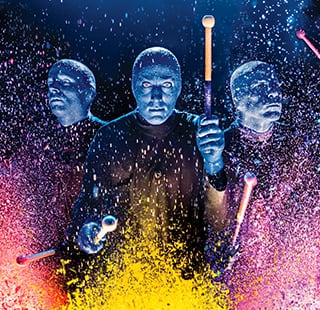
BLUE MAN GROUP RETURNS TO ORLANDO WITH NEW HOME AT ICON PARK, MAY 1, 2026
Orlando, USA, Thursday, January 8, 2026Orlando, FL (Jan. 8, 2026) – Blue Man Group is bringing back their multi-sensory theatrical experience to Orlando with a new resident production at ICON Park. Audiences will rock, laugh and party as the bald and blue trio explore the world through music, movement and cutting-edge technology, delivering a high-energy celebration of creativity and connection that engages guests of all ages.

The Long‑Awaited World Premiere: Cirque du Soleil and Grupo Vidanta Present LUDÕ, a Submersive Aquatic Spectacle in Mexico
Nuevo Nayarit, México, Saturday, December 13, 2025Two extraordinary Cirque du Soleil resident shows now live under Mexico’s sun, illuminating two of its most breathtaking coastal destinations.

World premiere in Berlin: ALIZÉ by Cirque du Soleil marks a historic European residency.
Berlin, Germany, Thursday, November 20, 2025BERLIN (November 20, 2025) - First-Ever Resident Cirque du Soleil Show Premieres at Theater am Potsdamer Platz in Berlin. ALIZÉ, the highly anticipated new creation from Cirque du Soleil, co-produced with Live Nation Germany, celebrated its world premiere before a full audience that included numerous celebrities from film, music and arts industry.

Cirque du Soleil announces the appointment of Mark Cornell as president and chief executive officer
Montréal, Québec, Tuesday, November 11, 2025
Sun Group and Cirque du Soleil: Two world leaders shaping the future of Vietnam's live entertainment together
Da Nang, Vietnam, Tuesday, November 11, 2025Da Nang, November 11, 2025 – Sun Group has officially entered into an agreement to initiate its collaboration with Cirque du Soleil, marking the beginning of a new chapter for Vietnam’s entertainment and performing arts industry.

Cirque du Soleil ALIZÉ: The first 3 acts revealed
Berlin, Germany, Friday, October 3, 2025Cirque du Soleil showcased the first 3 acts of its first European resident show called Cirque du Soleil Alizé, scheduled to premiere on November 20th. The private preview took place at the Theater am Potsdamer Platz in Berlin in front of selected guests and the media.
Cirque du Soleil Fast Channel Now Available on Roku Channel
Los Angeles, California, Tuesday, July 29, 2025Los Angeles, California (July 29, 2025) - Cirque du Soleil Entertainment Group (“Cirque du Soleil” or “the company”) is proud to announce that its Free Ad-Supported Streaming Television (FAST) channel is now available on The Roku Channel in the U.S. Fans can now access the channel for free on The Roku Channel through web, iOS and Android devices, Amazon Fire TV and select Samsung TVs, and dive into a captivating selection of Cirque du Soleil content, from awe-inspiring acrobatics and groundbreaking acts to visually spectacular productions. The channel offers a mix of long-form documentaries, curated compilations, best-of highlights, and short-form unscripted content.

Cirque du Soleil Collaborates With The Sandbox to Bring Its Signature Spectacle Into the Metaverse
Los Angeles, California, Wednesday, June 25, 2025LOS ANGELES – JUNE 25, 2025 – Today, The Sandbox, the leading social gaming and metaverse platform and a subsidiary of Animoca Brands, announced a strategic collaboration with Cirque du Soleil Entertainment Group to reimagine the brand’s legendary performances in two new interactive games. The collaboration will see Cirque du Soleil headline the upcoming Alpha Season 6 in The Sandbox, transporting players into imaginative worlds inspired by its theatrical legacy.